
-
Business
US tariff cuts on Korean autos, aircraft ease export uncertainty
The US has confirmed a tariff cut to 15 percent on key South Korean imports such as automobiles, aircraft and lumber in the Federal Register, prompting relief from Seoul and industry groups that say t
-
National
Japanese remains top second-language elective for Korean university hopefuls
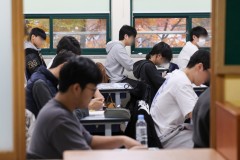
Japanese and Hanmun — classical Chinese characters used in premodern Korean texts — remained the most popular second foreign language electives on this year’s College Scholastic Ability Test, or Suneu
-
National
Mugshot revealed of man accused of killing ex-girlfriend, discarding body
South Korean police on Thursday revealed the mugshot of 54-year-old Kim Yeong-woo, who confessed to killing his former girlfriend out of apparent jealousy and hiding her body in wastewater. The Chungb
-
-
Security failure or xenophobia? Coupang leak outrage morphs into anti-Chinese hatred
-
Supreme Court confirms 5-year sentence for driver responsible for 9 deaths
-
Lee discusses defense, nuclear energy cooperation with Romanian president over phone
-
Court approves asset freeze of W156.8b on Hybe chairman amid investigation
-
-
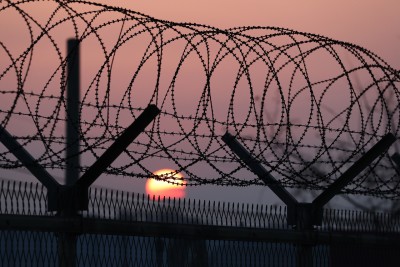
Outcry over Lee's 'unaware' remark prompts pledge to help NK detainees
The presidential office on Thursday pledged to seek a resolution for nationals detained in North Korea by pressing for the prompt resumption of inter-Korean dialogue.